跳至内容
无结果
  • Knowledge Base
  • Products
  • About
  • Contact
MastraCare Biotech
MastraCare Biotech
  • Knowledge Base
  • Products
  • About
  • Contact
MastraCare Biotech
MastraCare Biotech

Retinoid Technology

24
  • HPR (Hydroxypinacolone Retinoate) in Anti-Aging Creams: Efficacy Data, Formulation Parameters, and Supplier Qualification Guide
  • Retinoid Technology — Procurement & Cost Guide
  • Retinoid Technology — Troubleshooting & Failure Guide
  • Retinoid Technology — Regulatory & Compliance Guide
  • Retinoid Technology — Supplier Qualification Guide
  • Retinoid Technology — Application & Performance Guide
  • Retinoid Technology — Material Selection Guide
  • NMPA Special Cosmetic Registration for Retinoid Anti-Aging Claims: Compliance Guide
  • Retinol Encapsulation Technology: Liposome vs SLN vs Cyclodextrin Stability Comparison
  • Retinoid Formulation pH & Emulsion Architecture: Stability Parameters
  • Next-Generation Retinoids: Hydroxypinacolone Retinoate & Granactive Retinoid Data
  • Retinoid Skin Tolerance Protocol: Buffering, Frequency & pH Optimization
  • Retinoid Photostability: UV Degradation Rate & Packaging Protection Requirements
  • Bakuchiol as Plant Retinol Alternative: Clinical Evidence & Concentration Guide
  • Retinol vs Retinal vs Retinoic Acid: Conversion Cascade & OEM Formulation Strategy
  • Retinol vs Retinal vs Retinoic Acid: Conversion Cascade & OEM Formulation Strategy
  • NMPA Special Cosmetic Registration for Retinoid Anti-Aging Claims: Compliance Guide
  • Retinoid Formulation pH & Emulsion Architecture: Stability Parameters
  • Next-Generation Retinoids: Hydroxypinacolone Retinoate & Granactive Retinoid Data
  • Retinoid Skin Tolerance Protocol: Buffering, Frequency & pH Optimization
  • Retinoid Photostability: UV Degradation Rate & Packaging Protection Requirements
  • Retinol Encapsulation Technology: Liposome vs SLN vs Cyclodextrin Stability Comparison
  • Bakuchiol as Plant Retinol Alternative: Clinical Evidence & Concentration Guide
  • Retinol vs Retinal vs Retinoic Acid: Conversion Cascade & OEM Formulation Strategy

Peptide & Growth Factor Systems

22
  • Peptide & Growth Factor Systems — Procurement & Cost Guide
  • Peptide & Growth Factor Systems — Troubleshooting & Failure Guide
  • Peptide & Growth Factor Systems — Supplier Qualification Guide
  • Peptide & Growth Factor Systems — Application & Performance Guide
  • Peptide & Growth Factor Systems — Material Selection Guide
  • Peptide & Growth Factor Systems — Technical Specification Overview
  • Peptide Delivery Systems: Liposome Encapsulation vs Free Peptide Bioavailability
  • Signal Peptides for Collagen Stimulation: Matrixyl 3000 vs Argireline Concentration Data
  • Peptide Combinations & Synergy: Multi-Peptide Formulation Design for Anti-Aging
  • Clinical Evidence for Topical Peptides: Study Design, Sample Size & Measurable Outcomes
  • Peptide Stability in Emulsion Systems: pH Range, Temperature & Incompatibility Data
  • EGF & Growth Factor Technology: Recombinant Human EGF Stability & Regulatory Status
  • Carrier Peptides & Trace Elements: Copper Peptide GHK-Cu Delivery & Skin Remodeling
  • Neurotransmitter-Inhibiting Peptides: Acetyl Hexapeptide-3 Mechanism & Clinical Evidence
  • Clinical Evidence for Topical Peptides: Study Design, Sample Size & Measurable Outcomes
  • Peptide Delivery Systems: Liposome Encapsulation vs Free Peptide Bioavailability
  • Peptide Stability in Emulsion Systems: pH Range, Temperature & Incompatibility Data
  • EGF & Growth Factor Technology: Recombinant Human EGF Stability & Regulatory Status
  • Neurotransmitter-Inhibiting Peptides: Acetyl Hexapeptide-3 Mechanism & Clinical Evidence
  • Signal Peptides for Collagen Stimulation: Matrixyl 3000 vs Argireline Concentration Data
  • Peptide Combinations & Synergy: Multi-Peptide Formulation Design for Anti-Aging
  • Carrier Peptides & Trace Elements: Copper Peptide GHK-Cu Delivery & Skin Remodeling

Microbiome & Probiotic Skincare

19
  • Microbiome & Probiotic Skincare — Application & Performance Guide
  • Microbiome & Probiotic Skincare — Material Selection Guide
  • Microbiome & Probiotic Skincare — Technical Specification Overview
  • Microbiome & Probiotic Skincare — Comparison & Upgrade Guide
  • Microbiome & Probiotic Skincare — Procurement & Cost Guide
  • Microbiome & Probiotic Skincare — Troubleshooting & Failure Guide
  • Microbiome & Probiotic Skincare — Regulatory & Compliance Guide
  • Microbiome-Safe Surfactant Selection: Mildness Index & Barrier Disruption Data
  • Probiotic Stability in Cosmetic Formulation: Live vs Lysate & Storage Conditions
  • Microbiome-Friendly Preservation: Phenoxyethanol Alternatives & Challenge Test Data
  • Postbiotic Lysate & Ferment Actives: Lactobacillus Ferment vs Bifida Lysate Data
  • Microbiome Testing for OEM Brands: 16S rRNA Sequencing & Skin Microbiome Claim Support
  • Clinical Evidence for Microbiome Skincare: Study Design & Measurable Outcomes
  • Prebiotic Skincare Ingredients: Inulin, FOS & Beta-Glucan Concentration Guide
  • Skin Microbiome Biology: Diversity Index, pH & Barrier Function Relationship
  • Prebiotic Skincare Ingredients: Inulin, FOS & Beta-Glucan Concentration Guide
  • Clinical Evidence for Microbiome Skincare: Study Design & Measurable Outcomes
  • Microbiome-Friendly Preservation: Phenoxyethanol Alternatives & Challenge Test Data
  • Skin Microbiome Biology: Diversity Index, pH & Barrier Function Relationship

Vitamin C & Antioxidant Systems

19
  • Vitamin C & Antioxidant Systems — Application & Performance Guide
  • Vitamin C & Antioxidant Systems — Material Selection Guide
  • Vitamin C & Antioxidant Systems — Technical Specification Overview
  • Vitamin C & Antioxidant Systems — Comparison & Upgrade Guide
  • Vitamin C & Antioxidant Systems — Procurement & Cost Guide
  • Vitamin C & Antioxidant Systems — Troubleshooting & Failure Guide
  • Vitamin C & Antioxidant Systems — Regulatory & Compliance Guide
  • Vitamin C & Antioxidant Systems — Supplier Qualification Guide
  • Regulatory Status of Vitamin C Derivatives: EU, US, NMPA Permitted List & Limits
  • Vitamin C for Hyperpigmentation: Tyrosinase Inhibition Mechanism & Efficacy Claims
  • L-Ascorbic Acid at 10–20%: Penetration Enhancement & Skin Brightening Clinical Data
  • Vitamin C Formulation pH & Packaging: Oxidation Prevention & Airless System Selection
  • Polyphenol & Plant Antioxidants: Resveratrol, Quercetin & Green Tea EGCG Data
  • Astaxanthin & Carotenoid Antioxidants: Stability, Concentration & Clinical Evidence
  • Antioxidant Network & Synergy: Vitamin C + E + Ferulic Acid Combination Efficacy
  • Vitamin C Derivative Stability: L-Ascorbic Acid vs AA2G vs APPS Oxidation Rate Data
  • Vitamin C Formulation pH & Packaging: Oxidation Prevention & Airless System Selection
  • Polyphenol & Plant Antioxidants: Resveratrol, Quercetin & Green Tea EGCG Data
  • Polyphenol & Plant Antioxidants: Resveratrol, Quercetin & Green Tea EGCG Data

Mineral & UV Technology

17
  • Mineral & UV Technology — Material Selection Guide
  • Mineral & UV Technology — Technical Specification Overview
  • Mineral & UV Technology — Comparison & Upgrade Guide
  • Mineral & UV Technology — Troubleshooting & Failure Guide
  • Mineral & UV Technology — Regulatory & Compliance Guide
  • Mineral & UV Technology — Supplier Qualification Guide
  • Global Sunscreen Regulatory Compliance: EU, US OTC Monograph, NMPA & Japan JCIA — Ingredient Selection Guide
  • SPF & PA+++ Testing: ISO 24444 In Vivo vs In Vitro Method & Critical Wavelength
  • Tinted Mineral SPF Formulation: Iron Oxide Blending & Shade Range Development
  • Water Resistance Testing: FDA 40/80 Minute Protocol & Claim Substantiation
  • Mineral Sunscreen Formulation: Regulatory Compliance Across EU, US & China
  • Organic UV Filter Systems: Avobenzone Photostability & Photostabilizer Combinations
  • Titanium Dioxide & Hybrid UV Filters: Photocatalytic Activity & Surface Coating Solutions
  • Zinc Oxide Particle Science: Nano vs Micro ZnO SPF Performance & White Cast Data
  • Water Resistance Testing: FDA 40/80 Minute Protocol & Claim Substantiation
  • Organic UV Filter Systems: Avobenzone Photostability & Photostabilizer Combinations
  • Titanium Dioxide & Hybrid UV Filters: Photocatalytic Activity & Surface Coating Solutions

Botanical & Adaptogen Actives

25
  • Quercetin, Kaempferol, and β-Sitosterol: Formulating a TCM-Derived Anti-Aging Cream with Verified Antioxidant Activity
  • Habaflair PUR10: Clinical Evidence for Botanical-Peptide Anti-Aging Actives in Daily and Post-Procedure Skincare
  • Juniperus Chinensis Seed Extract in Antioxidant Moisturizing Cream: Formulation Data and Buyer Evaluation Guide
  • Inonotus obliquus and Gastrodia elata Polysaccharide Antioxidant Cream: Formulation Data and Procurement Guide
  • Phycocyanin in Cream Formulation: Antioxidant Performance, Moisture Data, and Buyer Qualification Guide
  • Phycocyanin from Spirulina: Purity Grading, Radical Scavenging Data, and Formulation Guide for Antioxidant Creams
  • Formulation Brief & Sample Request Guide for Botanical & Adaptogen Actives
  • Cosmetic Standards & Regulations Explained for Botanical & Adaptogen Actives
  • Regulatory & Safety Documentation Guide for Botanical & Adaptogen Actives
  • How to Choose Botanical & Adaptogen Actives Formulations
  • Botanical & Adaptogen Actives — Technical Specification Overview
  • Botanical & Adaptogen Actives — Procurement & Cost Guide
  • Botanical & Adaptogen Actives — Troubleshooting & Failure Guide
  • Botanical & Adaptogen Actives — Supplier Qualification Guide
  • Botanical & Adaptogen Actives — Application & Performance Guide
  • Sustainable Sourcing & Traceability for Botanical Actives: COA & Heavy Metal Limits
  • Adaptogen Skin Stress Response: Cortisol Modulation & Clinical Study Design
  • Botanical Extract Standardization: HPLC Marker Compound & COA Requirements
  • TCM-Inspired Cosmetic Actives: Angelica, Peony & Pearl Powder Standardization
  • Green Tea & Polyphenol Botanicals: EGCG Stability & Antioxidant Capacity Data
  • Ginseng & Adaptogen Actives: Ginsenoside Profile & Anti-Aging Clinical Evidence
  • Licorice Root & Whitening Botanicals: Glabridin Concentration & Tyrosinase Inhibition
  • Centella Asiatica & Wound Healing Botanicals: Madecassoside vs Asiaticoside Data
  • Botanical Extract Standardization: HPLC Marker Compound & COA Requirements
  • Centella Asiatica & Wound Healing Botanicals: Madecassoside vs Asiaticoside Data

Waterless & Concentrated Formulation

13
  • Waterless & Concentrated Formulation — Procurement & Cost Guide
  • Waterless & Concentrated Formulation — Troubleshooting & Failure Guide
  • Waterless & Concentrated Formulation — Supplier Qualification Guide
  • Waterless & Concentrated Formulation — Application & Performance Guide
  • Waterless & Concentrated Formulation — Technical Specification Overview
  • Consumer Perception of Waterless Formats: Texture Expectation & Education Strategy
  • Sustainability Positioning for Waterless Skincare: Carbon Footprint & Claim Support
  • Packaging for Waterless Products: Airless, Stick & Refillable Format Compatibility
  • Preservative-Free Waterless Formulation: Water Activity & Microbial Risk Assessment
  • Oil-to-Milk Cleansing Science: HLB Value & Phase Inversion Emulsification
  • Concentrated Actives Delivery: Waterless Serum Actives Loading & Penetration Data
  • Solid Skincare Technology: Wax Matrix Selection & Melting Point Stability Data
  • Anhydrous & Oil-Based Formulation: Emollient Selection & Skin Feel Engineering

Anti-Aging

29
  • Formulation Brief & Sample Request Guide for Anti-Aging
  • Cosmetic Standards & Regulations Explained for Anti-Aging
  • Anti-Aging — Industry Case Study
  • Anti-Aging — Safety & Risk Assessment
  • Anti-Aging — Design Engineering Reference
  • Anti-Aging — Lifecycle & Maintenance Guide
  • Anti-Aging — Testing & Validation Protocol
  • Anti-Aging — Storage & Handling Guide
  • Anti-Aging — Installation & Integration Guide
  • Anti-Aging — Supplier Qualification Guide
  • Anti-Aging — Application & Performance Guide
  • Anti-Aging — Material Selection Guide
  • Anti-Aging — Technical Specification Overview
  • Anti-Aging — Comparison & Upgrade Guide
  • Anti-Aging — Procurement & Cost Guide
  • Anti-Aging — Troubleshooting & Failure Guide
  • Anti-Aging — Regulatory & Compliance Guide
  • Anti-Aging: Cost Optimization Guide
  • Anti-Aging Formulation Troubleshooting Guide: 5 Failure Modes and How to Fix Them
  • Anti-Aging Market Positioning Guide: Claims, Actives & OEM Capabilities
  • Anti-Aging Supplier Qualification Guide: Factory Audit, COA Review & Incoming QC
  • Anti-Aging Product Stability: Labile Active Protection & Accelerated Testing Protocol
  • Anti-Aging Claim Substantiation: EU, US & NMPA Permissible Claim Language Guide
  • Premium vs Mass Anti-Aging Formulation: Development Tier Comparison & Cost Structure
  • Anti-Aging Ingredient Hierarchy: Proven Actives vs Trending Ingredients — Regulatory Compliance Guide (EU, US, China)
  • Neck & Body Anti-Aging: Firming Active Selection & Large Surface Area Formulation
  • Eye Anti-Aging & Dark Circle Treatment: Caffeine, Peptide & Retinol Eye-Area Protocol
  • Peptide Firming Cream: Multi-Peptide Combination & Clinical Claim Substantiation
  • Retinol Anti-Aging Serum Development: Active Loading, pH & Encapsulation Strategy

Brightening & Whitening

20
  • Whitening Cream for Sensitive Skin: Clinical Efficacy Data on Brightening and Barrier Repair with a Five-Active System
  • Formulation Brief & Sample Request Guide for Brightening & Whitening
  • Cosmetic Standards & Regulations Explained for Brightening & Whitening
  • Brightening & Whitening — Material Selection Guide
  • Brightening & Whitening — Technical Specification Overview
  • Brightening & Whitening — Comparison & Upgrade Guide
  • Brightening & Whitening — Procurement & Cost Guide
  • Brightening & Whitening — Regulatory & Compliance Guide
  • Brightening & Whitening — Supplier Qualification Guide
  • Brightening & Whitening — Application & Performance Guide
  • Brightening & Whitening: Troubleshooting Guide
  • Brightening & Whitening: Market Positioning Guide
  • Clinical Study Design for Brightening Claims: ITA Angle, Mexameter & Photography Protocol
  • Combination Brightening Strategy: Melanin Synthesis + Transfer + Exfoliation Approach
  • Brightening Claim Compliance: EU Restricted List, NMPA Whitening Cosmetic Regulation
  • Tyrosinase Inhibition Actives: Alpha-Arbutin vs Kojic Acid vs Tranexamic Acid Data
  • Body Brightening & Hyperpigmentation: Large-Area Application & Active Penetration
  • Brightening Mask & Spot Treatment: High-Concentration Active Delivery & Contact Time
  • Niacinamide & Multi-Active Brightening: Concentration, Compatibility & Clinical Data
  • Vitamin C Brightening Serum: L-Ascorbic Acid vs Derivative Selection & pH Strategy

Acne & Blemish Control

29
  • Formulation Brief & Sample Request Guide for Acne & Blemish Control
  • Cosmetic Standards & Regulations Explained for Acne & Blemish Control
  • Acne & Blemish Control — Troubleshooting & Failure Guide
  • Acne & Blemish Control — Industry Case Study
  • Acne & Blemish Control — Safety & Risk Assessment
  • Acne & Blemish Control — Design Engineering Reference
  • Acne & Blemish Control — Lifecycle & Maintenance Guide
  • Acne & Blemish Control — Testing & Validation Protocol
  • Acne & Blemish Control — Storage & Handling Guide
  • Acne & Blemish Control — Installation & Integration Guide
  • Acne & Blemish Control — Troubleshooting & Failure Guide
  • Acne & Blemish Control — Application & Performance Guide
  • Acne & Blemish Control — Material Selection Guide
  • Acne & Blemish Control — Technical Specification Overview
  • Acne & Blemish Control — Comparison & Upgrade Guide
  • Acne & Blemish Control — Procurement & Cost Guide
  • Acne & Blemish Control — Regulatory & Compliance Guide
  • Acne & Blemish Control: Market Positioning Guide
  • Acne & Blemish Control: Cost Optimization Guide
  • Acne & Blemish Control: Troubleshooting Guide
  • Acne & Blemish Control: Supplier Qualification Guide
  • Post-Acne Hyperpigmentation Treatment: Brightening + Barrier Repair Combined Strategy
  • Regulatory Status of Acne Actives: US FDA OTC Drug Monograph & EU Cosmetic Limits
  • Acne-Safe Formulation Principles: Non-Comedogenic Rating & Comedogenicity Testing
  • Anti-C. acnes Actives: Benzoyl Peroxide vs Azelaic Acid vs Tea Tree Clinical Evidence
  • Anti-Acne Cleanser Formulation: Surfactant Mildness & Antibacterial Active Selection
  • Acne Spot Treatment & Patch: Salicylic Acid, Benzoyl Peroxide & Hydrocolloid Specs
  • Sebum Control & Pore Minimizing Moisturizer: Niacinamide, Zinc & Mattifying Agent Data
  • BHA Acne Serum & Exfoliating Toner: Salicylic Acid 0.5–2% Formulation Guide

Barrier Repair & Sensitive Skin

23
  • Centella Asiatica, Ceramide NP, and Panthenol for Post-Laser Barrier Repair: Split-Face RCT Data Evaluated
  • Formulation Brief & Sample Request Guide for Barrier Repair & Sensitive Skin
  • Cosmetic Standards & Regulations Explained for Barrier Repair & Sensitive Skin
  • Barrier Repair & Sensitive Skin — Storage & Handling Guide
  • Barrier Repair & Sensitive Skin — Troubleshooting & Failure Guide
  • Barrier Repair & Sensitive Skin — Regulatory & Compliance Guide
  • Barrier Repair & Sensitive Skin — Application & Performance Guide
  • Barrier Repair & Sensitive Skin — Material Selection Guide
  • Barrier Repair & Sensitive Skin — Technical Specification Overview
  • Barrier Repair & Sensitive Skin — Comparison & Upgrade Guide
  • Barrier Repair & Sensitive Skin — Procurement & Cost Guide
  • Barrier Repair & Sensitive Skin: Cost Optimization Guide
  • Barrier Repair & Sensitive Skin: Supplier Qualification Guide
  • Barrier Repair & Sensitive Skin: Troubleshooting Guide
  • Barrier Repair & Sensitive Skin: Market Positioning Guide
  • Regulatory Considerations for Sensitive Skin Products: EU, FDA & NMPA Framework
  • Sensitive Skin Claim Substantiation: Dermatologist-Tested & Hypoallergenic Evidence
  • Microbiome-Friendly Barrier Formulation: Preservative Selection & pH Optimization
  • Skin Barrier Testing: TEWL Measurement, Corneometer & Clinical Improvement Data
  • Eczema-Adjacent & Dry Skin Relief: Occlusive, Humectant & Emollient Layering Strategy
  • Hypoallergenic & Fragrance-Free Formulation: Allergen-Free Ingredient Selection & Patch Test Protocol
  • Soothing & Anti-Redness Treatment: Centella Asiatica, Bisabolol & Allantoin Data
  • Ceramide Barrier Repair Moisturizer: Ceramide 1/3/6-II Ratio & Lipid Matrix Formulation

Sun Protection & Antioxidant Defense

13
  • Sun Protection & Antioxidant Defense — Procurement & Cost Guide
  • Sun Protection & Antioxidant Defense — Troubleshooting & Failure Guide
  • Sun Protection & Antioxidant Defense — Application & Performance Guide
  • Sun Protection & Antioxidant Defense — Material Selection Guide
  • SPF in Moisturizer: Emulsion Architecture Compatibility & Sun Filter Stability
  • Antioxidant + SPF Combination Claims: Evidence Base & Permissible Claim Language
  • Global SPF Regulatory Compliance: EU, FDA OTC Monograph, NMPA & Japan JCIA Guide
  • Water-Resistant Sunscreen: Film Former Selection & FDA 40/80 Minute Test Protocol
  • SPF in Moisturizer: Emulsion Architecture Compatibility & Sun Filter Stability
  • Broad-Spectrum SPF Formulation: Critical Wavelength, UVA-PF & PA+++ Rating Guide
  • After-Sun & Skin Recovery: Soothing Actives, Hydration & DNA Repair Ingredient Data
  • Antioxidant Photoprotection Serum: Vitamin C + E + Ferulic Acid UV Defense Data
  • SPF Daily Moisturizer & Fluid: UV Filter Selection, Elegance & Skin Feel Engineering

Scalp Health & Hair Growth

15
  • Scalp Health & Hair Growth — Procurement & Cost Guide
  • Scalp Health & Hair Growth — Troubleshooting & Failure Guide
  • Scalp Health & Hair Growth — Regulatory & Compliance Guide
  • Scalp Health & Hair Growth — Supplier Qualification Guide
  • Scalp Health & Hair Growth — Application & Performance Guide
  • Scalp Health & Hair Growth — Material Selection Guide
  • Scalp Health & Hair Growth — Technical Specification Overview
  • Regulatory Status of Hair Growth Actives: Drug vs Cosmetic Classification by Market
  • Hair Loss Claim Substantiation: TrichoScan, Hair Count & Tensile Strength Methods
  • Scalp Serum Formulation: Low-Viscosity Delivery, Alcohol Content & Penetration Data
  • Hair Growth Clinical Evidence: Follicle Stimulation Actives & Study Design Guide
  • Scalp Microbiome Rebalancing: Prebiotic, Postbiotic & Microbiome-Safe Preservation
  • Hair Strengthening & Damage Repair: Keratin, Amino Acid & Bond-Building Technology
  • Dandruff & Seborrheic Scalp: ZPT vs Piroctone Olamine vs Ketoconazole Comparison
  • Anti-Hair Loss Serum: Minoxidil Alternatives, Peptide & Botanical Active Data

Body Firming & Slimming

18
  • Formulation Brief & Sample Request Guide for Body Firming & Slimming
  • Body Firming & Slimming — Material Selection Guide
  • Body Firming & Slimming — Technical Specification Overview
  • Body Firming & Slimming — Comparison & Upgrade Guide
  • Body Firming & Slimming — Procurement & Cost Guide
  • Body Firming & Slimming — Regulatory & Compliance Guide
  • Body Firming & Slimming — Supplier Qualification Guide
  • Body Firming & Slimming — Application & Performance Guide
  • Body Firming & Slimming: Market Positioning Guide
  • Body Firming & Slimming: Troubleshooting Guide
  • Premium vs Mass Body Firming: Active Loading, Texture & Packaging Tier Comparison
  • Body Firming Regulatory Compliance: Cosmetic vs Drug Classification by Market
  • Texture Engineering for Body Products: Spreadability, Absorption & Skin Feel Data
  • Body Firming Claim Substantiation: Ultrasound, Caliper & Circumference Measurement
  • Lipolytic Actives: Carnitine, Caffeine & Forskolin Mechanism & OEM Formulation
  • Firming Body Lotion: Collagen-Stimulating Actives & Large-Area Application Strategy
  • Stretch Mark Prevention & Repair: Centella, Retinol & Peptide Clinical Data
  • Cellulite & Body Contouring: Caffeine Mechanism, Concentration & Clinical Evidence

Men's Grooming

12
  • Men’s Grooming — Comparison & Upgrade Guide
  • Men’s Grooming — Procurement & Cost Guide
  • Men’s Grooming — Application & Performance Guide
  • Men’s Grooming — Technical Specification Overview
  • Scalp Care for Men: Anti-Dandruff, Hair Growth & Sebum Control Active Combination
  • Regulatory Considerations for Men’s Grooming: Global Market Label & Claim Guide
  • Men’s Grooming Market Positioning: Fragrance Profile, Packaging & Claim Language
  • Men’s Skin Physiology vs Female Skin: pH, TEWL, Sebum & Thickness Difference Data
  • Men’s Anti-Aging Serum: Stability, Compatibility & Active Loading Guide
  • Beard Care Formulation: Softening, Conditioning & Fragrance Strategy for Beard Oil
  • Post-Shave Treatment: Soothing, Anti-Razor Bump & Skin Repair Active Selection
  • Men’s Facial Moisturizer: Male Skin Physiology, Sebum Rate & Fast-Absorbing Texture

Face Serum

11
  • Face Serum — Application & Performance Guide
  • Face Serum — Material Selection Guide
  • Face Serum — Technical Specification Overview
  • Face Serum Regulatory Labelling: INCI, Net Weight & Market-Specific Requirements
  • Packaging Compatibility for Face Serum: Airless vs Dropper vs Pump Selection
  • Active Ingredient Loading in Serum: Solubility Limit, Penetration & Stability Data
  • Face Serum Preservation: Water-Phase Challenge Test & Broad-Spectrum Coverage
  • Biphasic & Layering Serum: Phase Separation Design & Consumer Instruction Strategy
  • Ampoule & Concentrated Treatment: High Active Loading & Single-Use Packaging Data
  • Oil & Dry-Touch Serum: Emollient Selection, Skin Feel & Rapid Absorption Strategy
  • Aqueous Hydrating Serum Formulation: HA Molecular Weight, Viscosity & Preservation

Moisturizer & Cream

21
  • Emulsifier Selection for Face Cream and Moisturizer Formulation: Surfactants, Polymers, and Solid Particles
  • Emulsifier Systems in Cosmetic Creams: Formulation Guide for O/W and W/O Cream Development
  • Emulsifier Systems in Cosmetic Creams: Formulation Guide for O/W and W/O Cream Development
  • Emulsifier Selection for Face Cream and Moisturizer Formulation: Surfactants, Polymers, and Solid Particles
  • Endocrine Disruptor Migration in Children’s Face Cream: LC-MS/MS Detection Method and Packaging Compliance Guide
  • Moisturizer & Cream — Material Selection Guide
  • Moisturizer & Cream — Comparison & Upgrade Guide
  • Moisturizer & Cream — Procurement & Cost Guide
  • Moisturizer & Cream — Troubleshooting & Failure Guide
  • Moisturizer & Cream — Regulatory & Compliance Guide
  • Moisturizer & Cream — Supplier Qualification Guide
  • Moisturizer & Cream — Application & Performance Guide
  • Moisturizer & Cream — Technical Specification Overview
  • Moisturizer Regulatory Labelling: EU, FDA & NMPA Cosmetic Label Requirements
  • Barrier Repair & Ceramide Cream: Ceramide 1/3/6-II Ratio & Lipid Matrix Structure
  • Moisturizer Texture Engineering: Rheology Modifier, Thickener & Sensory Profile
  • Active Ingredient Incorporation in Emulsion: pH, Temperature & Order of Addition
  • Moisturizer Stability Testing: Centrifuge, Freeze-Thaw & 45°C Accelerated Protocol
  • Emulsifier Selection Guide: HLB System, Emulsion Stability & Skin Feel Comparison
  • Rich Cream & W/O Emulsion: Occlusive Ratio, TEWL Reduction & Skin Feel Data
  • Lightweight Lotion & Gel-Cream: O/W Emulsifier Selection & Texture Engineering

Face Mask

14
  • Face Mask — Troubleshooting & Failure Guide
  • Face Mask — Regulatory & Compliance Guide
  • Face Mask — Supplier Qualification Guide
  • Face Mask — Application & Performance Guide
  • Face Mask — Material Selection Guide
  • Face Mask — Technical Specification Overview
  • Face Mask Regulatory Compliance: EU, FDA & NMPA Category Classification Guide
  • Sleeping Mask vs Overnight Cream: Formulation Difference & Claim Positioning
  • Face Mask Preservation Strategy: High-Water Activity & Challenge Test Protocol
  • Sheet Mask Substrate Comparison: Lyocell vs Nylon vs Bio-Cellulose Performance Data
  • Bubble & Carbonated Mask: CO2 Generation Mechanism, Stability Guide & Skin Oxygenation Claims
  • Clay & Mud Mask: Kaolin vs Bentonite vs Ghassoul Adsorption & Sebum Control Data
  • Sleeping Mask & Leave-On Treatment: Film Former, Occlusion & Overnight Active Delivery
  • Sheet Mask Essence & Substrate: Non-Woven Fabric Selection & Active Loading Data

Sunscreen

13
  • Sunscreen — Regulatory & Compliance Guide
  • Sunscreen — Supplier Qualification Guide
  • Sunscreen — Application & Performance Guide
  • Sunscreen — Material Selection Guide
  • Sunscreen — Technical Specification Overview
  • Global Sunscreen Regulatory Compliance: EU, US OTC, NMPA & Japan JCIA Guide
  • Hybrid & Tinted SPF: Iron Oxide Integration, Shade Development & SPF Maintenance
  • Tinted SPF & Colour Cosmetic Claims: Regulatory Classification & Label Requirements
  • Sunscreen Sensory Engineering: Skin Feel, White Cast & Finish Type by Market
  • Water-Resistant Sunscreen: Film Former Selection & FDA 40/80 Minute Test Protocol
  • SPF Testing Protocol: ISO 24444 In Vivo Method & Critical Wavelength Measurement
  • Chemical & Organic UV Sunscreen: Filter Selection, Photostability & SPF Boosting
  • Mineral Sunscreen Formulation: ZnO Particle Size, Dispersion & White Cast Reduction

Cleanser

20
  • Formulation Brief & Sample Request Guide for Cleanser
  • Cosmetic Standards & Regulations Explained for Cleanser
  • Cleanser — Material Selection Guide
  • Cleanser — Technical Specification Overview
  • Cleanser — Comparison & Upgrade Guide
  • Cleanser — Procurement & Cost Guide
  • Cleanser — Troubleshooting & Failure Guide
  • Cleanser — Regulatory & Compliance Guide
  • Cleanser — Supplier Qualification Guide
  • Cleanser — Application & Performance Guide
  • Cleanser Formulation Troubleshooting Guide: 5 Common Failures and How We Fix Them
  • Cleanser Market Positioning Guide: Claims, Clinical Language & OEM Capabilities
  • Cleanser Regulatory Labelling: EU, FDA & NMPA Cosmetic Rinse-Off Category Guide
  • Makeup Removal Efficacy Testing: ASTM E1173 & Sebum Removal Measurement Method
  • Preservative Strategy for Rinse-Off Cleansers: Low Contact Time & Challenge Test
  • Cleanser pH & Microbiome Impact: Skin pH 4.5–5.5 & Barrier Disruption Data
  • Surfactant Mildness Index: Zein Test, TEWL Impact & Skin Barrier Safety Data
  • Oil Cleanser & Cleansing Balm: Emulsifier HLB, Phase Inversion & Makeup Removal
  • Cream & Milk Cleanser: Mild Surfactant, Emollient & Skin Feel Engineering
  • Foaming & Gel Cleanser: Surfactant Blend, HLB & Foam Quality Data

Eye Care

16
  • Cosmetic Standards & Regulations Explained for Eye Care
  • Eye Care — Procurement & Cost Guide
  • Eye Care — Troubleshooting & Failure Guide
  • Eye Care — Regulatory & Compliance Guide
  • Eye Care — Supplier Qualification Guide
  • Eye Care — Application & Performance Guide
  • Eye Care — Material Selection Guide
  • Eye Care Formulation Troubleshooting Guide: 5 Failure Modes and How We Fix Them
  • Eye Patch Technology: Hydrogel vs Bio-Cellulose Substrate & Active Delivery Data
  • Eye Cream Texture Engineering: Low-Irritant Emulsifier & Film-Former Selection
  • Eye Area Regulatory Requirements: EU, FDA & NMPA Periorbital Product Guidelines
  • Retinol in Eye Area: Low Concentration Tolerance Protocol & Encapsulation Strategy
  • Dark Circle Targeting Actives: Pigmentation vs Vascular vs Shadow Cause & Treatment
  • Periorbital Skin Formulation Constraints: Ophthalmologist-Tested & Sensitizer-Free
  • Eye Serum & Patch: Lightweight Delivery, Film Former & Hydrogel Patch Specification
  • Eye Cream & Depuffing Treatment: Caffeine, Peptide & Vitamin K Active Selection

Facial Oil

16
  • Facial Oil — Comparison & Upgrade Guide
  • Facial Oil — Procurement & Cost Guide
  • Facial Oil — Troubleshooting & Failure Guide
  • Facial Oil — Regulatory & Compliance Guide
  • Facial Oil — Supplier Qualification Guide
  • Facial Oil — Application & Performance Guide
  • Facial Oil — Material Selection Guide
  • Facial Oil — Technical Specification Overview
  • Facial Oil Sensory Profile: Dry vs Rich Finish & Absorption Speed Engineering
  • Facial Oil Regulatory Labelling: INCI Nomenclature & Natural Claim Compliance
  • Facial Oil Packaging Compatibility: Dropper Seal, Pump & Material Interaction Data
  • Lipophilic Active Delivery in Oil Base: Retinol, Vitamin E & Botanical Extraction — Regulatory Compliance Guide
  • Carrier Oil Stability: Oxidation Index, Peroxide Value & Antioxidant Protection
  • Fatty Acid Profile for Skin Type: Linoleic vs Oleic Acid Ratio & Skin Match Guide
  • Dry Oil & Hybrid Oil Serum: Fast-Absorbing Emollient & Spreadability Data
  • Pure Oil Blend & Botanical Oil: Carrier Oil Oxidative Stability & Comedogenic Rating

Toner & Essence Water

14
  • Toner & Essence Water — Troubleshooting & Failure Guide
  • Toner & Essence Water — Regulatory & Compliance Guide
  • Toner & Essence Water — Supplier Qualification Guide
  • Toner & Essence Water — Application & Performance Guide
  • Toner & Essence Water — Material Selection Guide
  • Toner & Essence Water — Technical Specification Overview
  • Toner Regulatory Classification: Cosmetic vs Quasi-Drug Status by Market Guide
  • Toner Texture & Skin Feel: Slipperiness, Absorption & Layering Compatibility
  • Low Viscosity Active Delivery: Penetration Enhancer Selection & Efficacy Data
  • Alcohol in Toner: Ethanol Concentration, Skin Barrier Impact & Alternatives
  • Toner Preservation Challenge: High Water Activity & Broad-Spectrum Coverage
  • Fermented & Japanese-Style Essence: Fermentation Filtrate Actives & Efficacy Data
  • Exfoliating & AHA BHA Toner: Acid Concentration, pH & Skin Tolerance Protocol
  • Hydrating & Balancing Toner: Humectant System, Low Viscosity & pH Optimization

Lip Care

11
  • Lip Care — Application & Performance Guide
  • Lip Care — Material Selection Guide
  • Lip Care: Supplier Qualification Guide
  • Lip Care Regulatory Labelling: EU, FDA & NMPA Category & Colorant Approval Guide
  • Lip Care Active Ingredients: Ceramide, Vitamin E & Peptide Evidence for Lip Use
  • Lip Balm Packaging: Twist-Up Tube, Pot & Squeeze Tube Material Compatibility
  • Tinted Lip Balm: Pigment Dispersion, Color Stability & Regulatory Compliance
  • SPF Lip Balm Formulation: UV Filter Compatibility & SPF Testing in Anhydrous Base
  • Lip-Safe Ingredient Compliance: Ingestion Risk & Permitted Colorant List by Market
  • Lip Mask & Plumping Treatment: Hyaluronic Acid, Peptide & Capsaicin Plumping Data
  • Lip Balm & Nourishing Treatment: Wax Matrix, Butter Selection & Melting Point Data

Body Care

20
  • Formulation Brief & Sample Request Guide for Body Care
  • Cosmetic Standards & Regulations Explained for Body Care
  • Body Care — Application & Performance Guide
  • Body Care — Material Selection Guide
  • Body Care — Technical Specification Overview
  • Body Care — Procurement & Cost Guide
  • Body Care — Troubleshooting & Failure Guide
  • Body Care — Regulatory & Compliance Guide
  • Body Care: Cost Optimization Guide
  • Body Care Formulation Troubleshooting Guide: 5 Failure Modes and How We Fix Them
  • Body Care: Supplier Qualification Guide
  • Body Care: Market Positioning Guide
  • Body Lotion & Cream Formulation: Large Surface Spreadability & Absorption Strategy
  • Body Care Regulatory Labelling: EU, FDA & NMPA Cosmetic Category Requirements
  • Body Care Fragrance Strategy: Substantivity, Allergen Limits & IFRA Compliance
  • Active Delivery for Body Firming: Caffeine, Retinol & Peptide Large-Area Efficacy
  • Body Exfoliant Regulatory Compliance: Microplastic-Free & EU Rinse-Off Regulation
  • Body Moisturizer Occlusive Strategy: Petrolatum vs Dimethicone vs Shea Butter Data
  • Body Oil & Dry Oil Spray: Emollient Blend, Pump Atomization & Skin Feel Data
  • Body Scrub & Exfoliator: Physical Exfoliant Particle Size & Skin Abrasion Data

Shampoo & Conditioner

16
  • Shampoo & Conditioner — Technical Specification Overview
  • Shampoo & Conditioner — Comparison & Upgrade Guide
  • Shampoo & Conditioner — Procurement & Cost Guide
  • Shampoo & Conditioner — Troubleshooting & Failure Guide
  • Shampoo & Conditioner — Supplier Qualification Guide
  • Shampoo & Conditioner — Application & Performance Guide
  • Shampoo & Conditioner — Material Selection Guide
  • Shampoo & Conditioner: Market Positioning Guide
  • Shampoo & Conditioner Regulatory Compliance: EU, FDA & NMPA Label Requirements
  • Shampoo Preservation Strategy: Challenge Test & Broad-Spectrum Coverage for Rinse-Off
  • Hair Color Protection Shampoo: Fade Resistance & Film-Former Selection Strategy
  • Conditioning Deposition Technology: Cationic Polymer vs Quaternary Ammonium Data
  • Surfactant Mildness for Hair: Zwitterionic Blend, TEWL Impact & Scalp Safety Data
  • Conditioner & Hair Mask: Cationic Conditioning Deposition & Detangling Mechanism
  • Anti-Dandruff Shampoo: ZPT vs Piroctone Olamine vs Ketoconazole Efficacy Data
  • Mild & Sulfate-Free Shampoo: Anionic + Amphoteric Surfactant Blend & Foam Data

Scalp Care

12
  • Scalp Care — Supplier Qualification Guide
  • Scalp Care — Application & Performance Guide
  • Scalp Care — Material Selection Guide
  • Scalp Care — Technical Specification Overview
  • Scalp Care Regulatory Classification: Cosmetic vs Quasi-Drug Status by Market Guide
  • Scalp Microbiome Testing: 16S rRNA Sequencing & Microbiome-Friendly Claim Support
  • Hair Growth Claim Substantiation: TrichoScan, Phototrichogram & Hair Tensile Test
  • Anti-Inflammatory Scalp Actives: Salicylic Acid, Niacinamide & Centella — Regulatory Compliance Guide
  • Scalp Serum Low-Viscosity Formulation: Penetration Enhancer & Alcohol Content Guide
  • Leave-On vs Rinse-Off Scalp Treatment: Delivery Strategy & Active Contact Time Data
  • Scalp Microbiome & Sebum Control: Prebiotic, ZPT & Sebum-Regulating Active Guide
  • Hair Growth & Follicle Activation Serum: Peptide, Caffeine & Botanical Active Data

Acid Exfoliation Technology

35
  • Formulation Brief & Sample Request Guide for Acid Exfoliation Technology
  • Cosmetic Standards & Regulations Explained for Acid Exfoliation Technology
  • Acid Exfoliation Technology — Testing & Validation Protocol
  • Acid Exfoliation Technology — Storage & Handling Guide
  • Acid Exfoliation Technology — Installation & Integration Guide
  • Acid Exfoliation Technology — Industry Case Study
  • Acid Exfoliation Technology — Safety & Risk Assessment
  • Acid Exfoliation Technology — Design Engineering Reference
  • Acid Exfoliation Technology — Regulatory & Compliance Guide
  • Acid Exfoliation Technology — Application & Performance Guide
  • Acid Exfoliation Technology — Material Selection Guide
  • Acid Exfoliation Technology — Technical Specification Overview
  • Acid Exfoliation Technology — Comparison & Upgrade Guide
  • Acid Exfoliation Technology — Procurement & Cost Guide
  • Acid Exfoliation Technology — Troubleshooting & Failure Guide
  • Acid Exfoliation Technology: Cost Optimization Guide
  • Acid Exfoliation Technology: Troubleshooting Guide for Common Formulation Failures
  • Acid Exfoliation Technology: Market Positioning Guide
  • Acid Exfoliation Technology: Supplier Qualification Guide
  • Chemical Peel Concentration Science: AHA 10–30% Neutralization & Skin Response Protocol
  • BHA & Salicylic Acid Systems: Oil-Soluble Penetration & Comedolytic Concentration Guide
  • Combining Acids with Retinoids & Vitamin C: Compatibility & Formulation Sequencing
  • Acid Exfoliant Stability: pH Drift, Preservative Compatibility & Packaging Selection
  • Azelaic Acid Dual-Function Formulation: Antibacterial & Brightening Concentration Data
  • PHA & Polyhydroxy Acids: Gluconolactone vs Lactobionic Acid for Sensitive Skin
  • AHA Science & Formulation: Glycolic vs Lactic vs Mandelic Acid pH & Efficacy Data
  • Combining Acids with Retinoids & Vitamin C: Compatibility & Formulation Sequencing
  • Regulatory Limits for Acid Actives: EU, US FDA, China NMPA Concentration Thresholds
  • Azelaic Acid Dual-Function Formulation: Antibacterial & Brightening Concentration Data
  • BHA & Salicylic Acid Systems: Oil-Soluble Penetration & Comedolytic Concentration Guide
  • AHA Science & Formulation: Glycolic vs Lactic vs Mandelic Acid pH & Efficacy Data
  • Acid Exfoliant Stability: pH Drift, Preservative Compatibility & Packaging Selection
  • Chemical Peel Concentration Science: AHA 10–30% Neutralization & Skin Response Protocol
  • PHA & Polyhydroxy Acids: Gluconolactone vs Lactobionic Acid for Sensitive Skin
  • Glycolic Acid Chemical Peel for Acne Vulgaris: Concentration & Protocol Guide for OEM Buyers

Hydration & Moisture

16
  • Enteromorpha Polysaccharide in Moisturizing Cream: Humectant, UV Attenuation, and Antioxidant Performance Evaluation
  • Hydration & Moisture — Procurement & Cost Guide
  • Hydration & Moisture — Troubleshooting & Failure Guide
  • Hydration & Moisture — Regulatory & Compliance Guide
  • Hydration & Moisture — Supplier Qualification Guide
  • Hydration & Moisture — Application & Performance Guide
  • Hydration & Moisture: Market Positioning Guide
  • Hydration & Moisture: Cost Optimization Guide
  • Hydration Claim Substantiation: Corneometer, Skicon & Moisture Mapping Methods
  • Hydration Boosting Actives Beyond HA: Polyglutamic Acid, Betaine & Tremella Extract
  • Hyaluronic Acid Grades: 3-Weight HA Complex vs Single Grade Performance Data
  • Moisture Retention Testing: Corneometer Measurement & TEWL Clinical Study Protocol
  • Long-Lasting Hydration: Film-Forming Humectant vs Occlusive Mechanism Comparison
  • Hydrating Toner & Essence for Dehydrated Skin: Low-Viscosity HA & Penetration Booster
  • Deep Moisture Barrier Cream: Occlusive, Humectant & Emollient Layering Strategy
  • Hyaluronic Acid Hydration Serum: Molecular Weight Selection & Skin Penetration Data

Encapsulation Technology

19
  • Camel Oil Microcapsule Encapsulation Technology: Process Optimization and Facial Cream Application
  • Formulation Brief & Sample Request Guide for Encapsulation Technology
  • Cosmetic Standards & Regulations Explained for Encapsulation Technology
  • Encapsulation Technology — Comparison & Upgrade Guide
  • Encapsulation Technology — Procurement & Cost Guide
  • Encapsulation Technology — Troubleshooting & Failure Guide
  • Encapsulation Technology — Regulatory & Compliance Guide
  • Encapsulation Technology — Supplier Qualification Guide
  • Encapsulation Technology — Application & Performance Guide
  • Encapsulation Technology — Material Selection Guide
  • Encapsulation Technology — Technical Specification Overview
  • Encapsulation for Labile Actives: Retinol, Vitamin C & Peptide Protection Comparison
  • Liposome & Nanoliposome Encapsulation: Particle Size, Entrapment Efficiency & Stability
  • Regulatory Status of Nanoencapsulation in Cosmetics: EU Nano Regulation & NMPA
  • Encapsulation Efficiency Testing: HPLC Quantification & In Vitro Release Method
  • Emulsion-Based Microencapsulation: Double Emulsion W/O/W & Active Retention — Regulatory Compliance Guide
  • Polymer Microsphere Encapsulation: PLGA Degradation Rate & Controlled Release Data
  • Cyclodextrin Inclusion Complex: Cavity Diameter, Loading Capacity & Release Profile
  • Solid Lipid Nanoparticle Technology: SLN vs NLC Structure & Active Protection Data
View Categories
  • 首页
  • 文档
  • Formulation Technology
  • Encapsulation Technology
  • Camel Oil Microcapsule Encapsulation Technology: Process Optimization and Facial Cream Application

Camel Oil Microcapsule Encapsulation Technology: Process Optimization and Facial Cream Application

James Luo
更新 2026年6月19日

9 min read

TL;DR #

If you’re evaluating camel oil as an active in a moisturizing or barrier-repair cream, the first question shouldn’t be about sourcing — it should be about stability. Raw camel oil carries an unsaturated fatty acid content approaching 40%, and that number alone tells you it will oxidize before it delivers meaningful benefit in a finished formula. We’ve seen this repeatedly during ingredient qualification: buyers spec the oil based on fatty acid profile and in-vitro skin-feel data, then receive shelf-life complaints six months post-launch. The problem was never the oil. It was the delivery format.

Microencapsulation with a biopolymer composite wall is the practical answer. This article walks through the process parameters, performance data, and formulation behavior of camel oil microcapsules produced via complex coacervation — and gives you the numbers you need to evaluate whether this technology fits your next development brief.

Figure 1: Camel oil microcapsule preparation process diagram — from emulsification through chitosan-alginate coacervation to freeze-dried powder

Camel Oil Microcapsule Encapsulation Efficiency: Process Parameters and Optimization Data #

Getting the encapsulation rate above 90% requires dialing in four variables simultaneously: core-to-wall ratio, emulsifier blend ratio, total wall material concentration, and homogenization speed. Single-factor testing isolates each one, but the orthogonal matrix reveals the interaction effects that actually determine peak performance.

Core-to-Wall Volume Ratio

Within the 1:2 to 3:4 core-to-wall range, encapsulation efficiency holds relatively flat. Push the core fraction higher and the rate drops — wall material can’t keep pace with the increasing oil load, and capsule integrity deteriorates. The working window is 1:2 through 3:4; beyond that, you’re wasting oil in your surface fraction.

Emulsifier System

The Tween 80 / Span 80 combination creates synergistic O/W stabilization. At a 2:3 Tween:Span ratio, encapsulation rate reached 87.78 ± 1.74%. Pushing Span content higher increases emulsion viscosity and slows O/W system formation — you trap less core material per unit wall, and the rate drops. The 1:2 Tween:Span ratio emerged as optimal in the orthogonal confirmation.

Wall Material Concentration

This is the variable with the highest R-value (0.84) in variance analysis — meaning it has the strongest individual influence on encapsulation efficiency. At 1.2% total wall fraction, shell thickness is insufficient and core leakage is measurable. At 1.5%, efficiency peaks. Above that, system viscosity increases to the point where wall polymers begin bridging and cross-aggregating before proper capsule formation, pulling efficiency back down. The optimized condition landed at 2% — counterintuitively higher than the single-factor peak, because in combination with other optimized parameters the system handles the higher concentration without the viscosity penalty.

Homogenization Speed

At 10,000 rpm, single-factor testing suggested maximum encapsulation. However, the orthogonal result shifted the optimum to 30,000 rpm when all four factors are co-optimized — at higher shear you get finer, more uniform droplets that the wall system can coat more completely.


Figure 2: Single-factor effect curves for core-wall ratio and emulsifier ratio on camel oil encapsulation efficiency
Figure 3: Single-factor effect curves for total wall material fraction and homogenization speed on encapsulation efficiency
Figure 4: Four-factor composite chart — encapsulation rate response across all single-factor variables (A: core-wall ratio; B: emulsifier ratio; C: wall fraction; D: homogenization speed)

Orthogonal Optimization Result

Optimal conditions: core-to-wall volume ratio 3:4, Tween:Span ratio 1:2, total wall material fraction 2%, homogenization speed 30,000 rpm. Confirmed encapsulation rate under these conditions: 92.67% across three replicate runs. All four factors showed statistically significant effects (p < 0.01) in variance analysis.

Process Parameter Comparison #

Parameter Tested Range Optimal Value Effect on Encapsulation Rate
Core-to-wall volume ratio 1:2 → 4:5 3:4 Drops sharply above 3:4; R = 0.37
Tween:Span emulsifier ratio 1:2 → 2:1 1:2 Peak at 2:3 in single-factor; 1:2 in orthogonal; R = 0.54
Total wall material fraction 1.2% → 3.0% 2.0% Strongest single influence; R = 0.84
Homogenization speed 10,000 → 40,000 rpm 30,000 rpm Interaction-dependent; R = 0.36
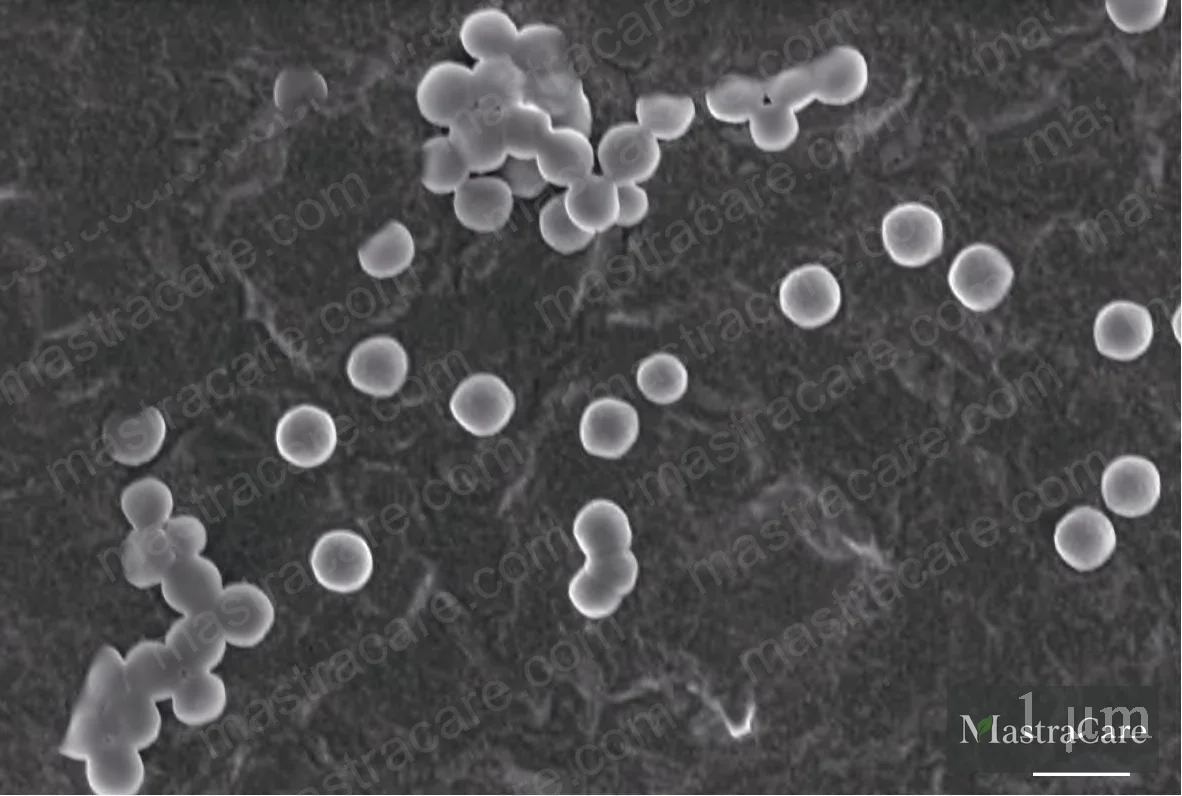
Figure 5: SEM image of camel oil microcapsules showing uniform spherical morphology and approximately 300 nm particle size

Physicochemical Performance of Camel Oil Microcapsules: Structural Integrity and Oxidative Stability #

Encapsulation rate is just the entry ticket. What matters downstream is whether the wall holds up structurally, thermally, and oxidatively over the product’s intended shelf life.

Morphology and Particle Size

SEM imaging confirms the coacervation process produces regular spherical capsules with smooth surfaces, no visible indentations or wall defects, and consistent sizing around 300 nm. This is in the nano-to-submicron range — relevant because it affects emulsion aesthetics and skin feel in the finished cream. At this size, the encapsulated fraction disperses without graininess and integrates cleanly into both oil-in-water and water-in-oil systems.

Structural Confirmation: No Chemical Change During Encapsulation

XRD analysis of the sodium alginate–chitosan composite shows a characteristic diffraction peak at 2θ = 20°, consistent with the amorphous nature of natural polysaccharides. The camel oil microcapsule retains this peak — confirming the encapsulation is a physical process with no new chemical species formed. Additional diffraction peaks in the microcapsule at 2θ = 32°, 45°, 56°, and 75° are attributed to the encapsulated camel oil, indicating the core material is intact within the wall. Peak narrowing also indicates increased crystallinity post-encapsulation, which correlates with improved structural stability.
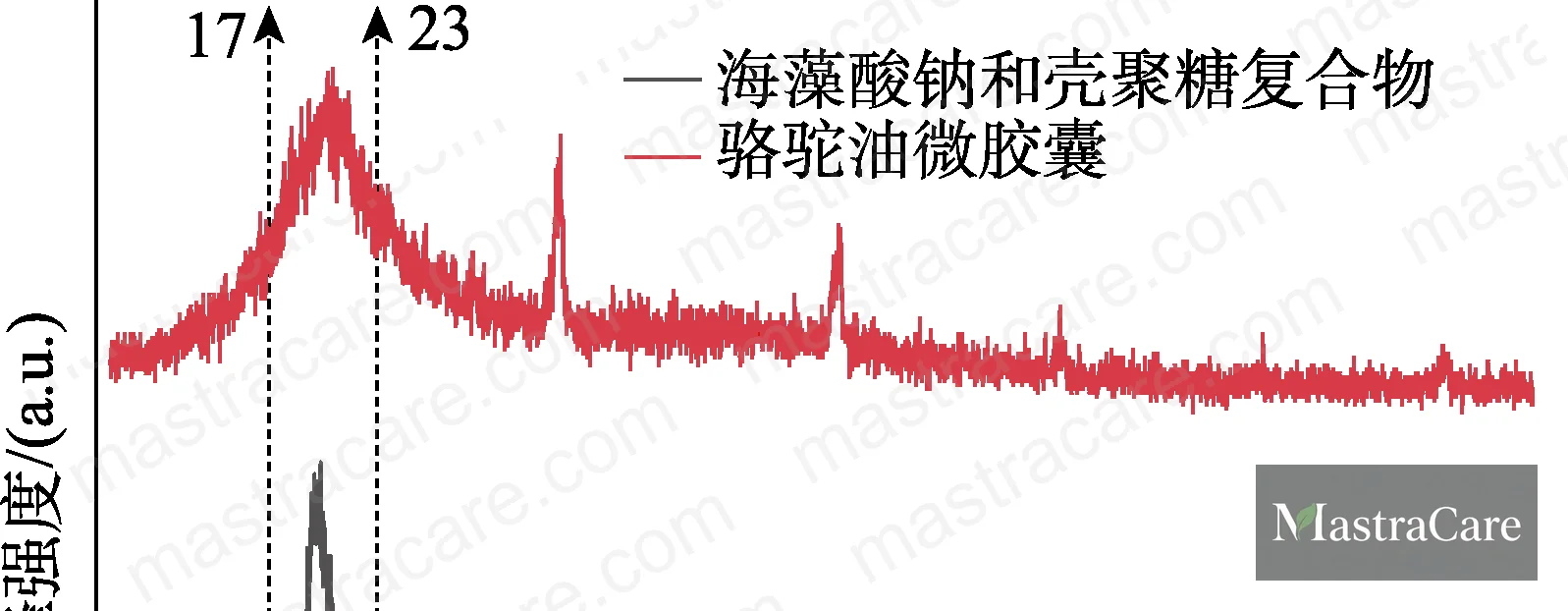
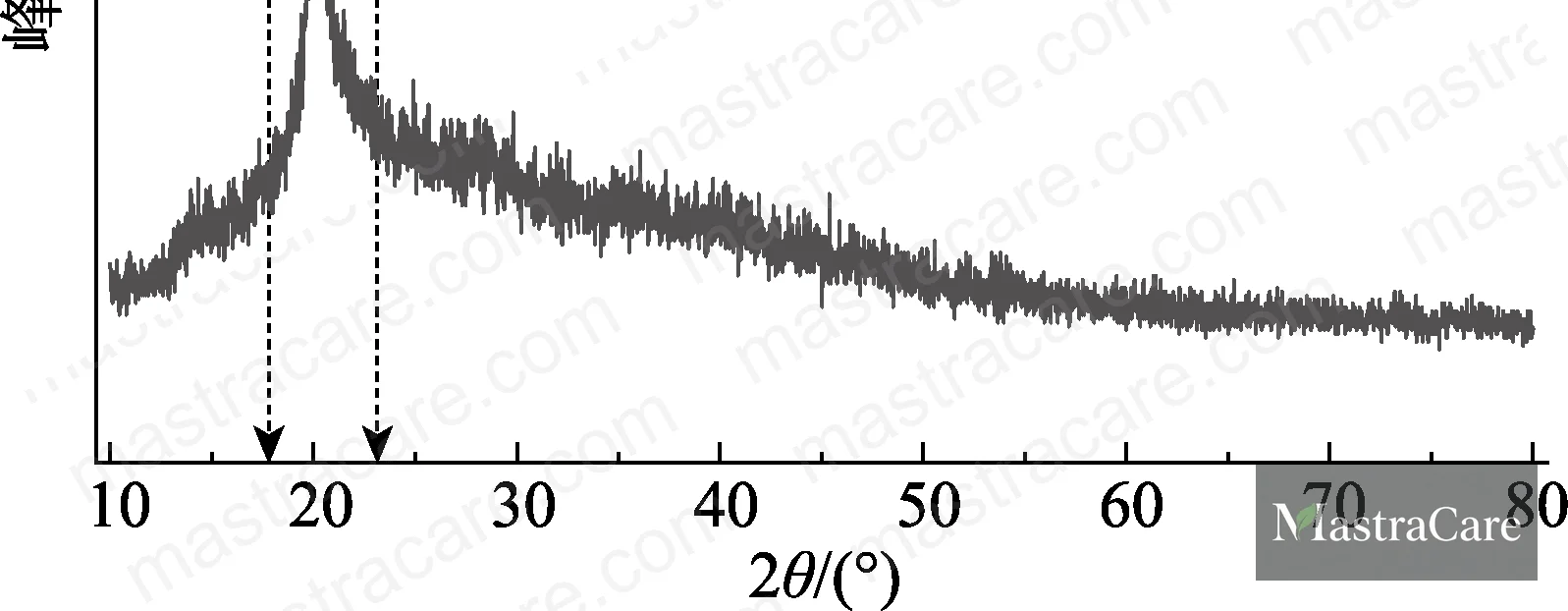
Figure 6: XRD pattern of sodium alginate–chitosan composite vs. camel oil microcapsules, showing structural confirmation of physical encapsulation
Figure 7: XRD comparison detail — characteristic peaks confirming intact camel oil core within composite wall material

Thermal Stability

This is where the encapsulated format earns its place in hot-process manufacturing.

TGA profiling under nitrogen atmosphere (20 mL/min, ramp rate 10°C/min, 30°C to 500°C) shows four distinct degradation zones:

  • 30–115°C: ~8% mass loss from surface moisture and trace oil evaporation
  • 115–220°C: essentially flat — no significant mass loss; the alginate–chitosan shell maintains integrity
  • 220–425°C: active decomposition begins; the electrostatic bonds between alginate and chitosan break down
  • 425–500°C: slow terminal mass loss; core fully released, organic wall carbonization

The practical implication: camel oil microcapsules remain structurally stable up to 220°C, which covers typical cosmetic manufacturing conditions including hot-phase emulsification at 70–85°C with significant safety margin. Raw camel oil in the same thermal environment would be actively oxidizing.
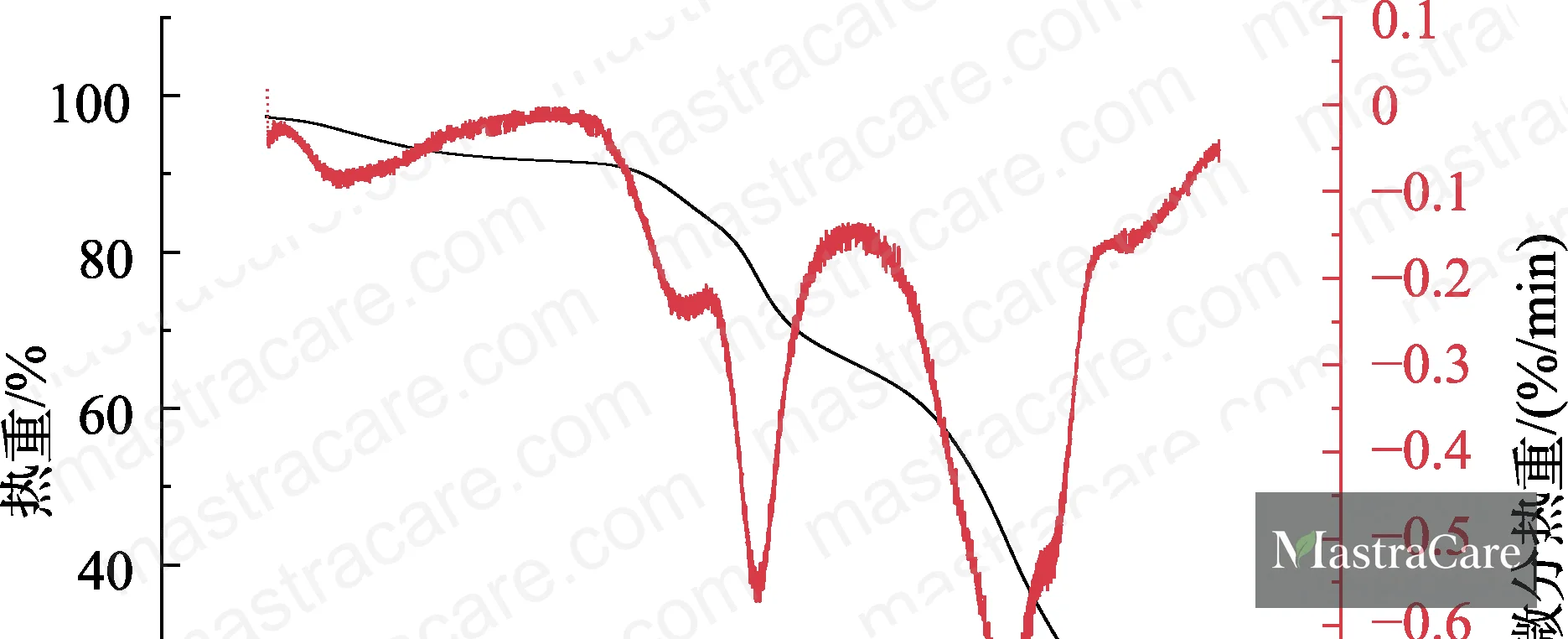
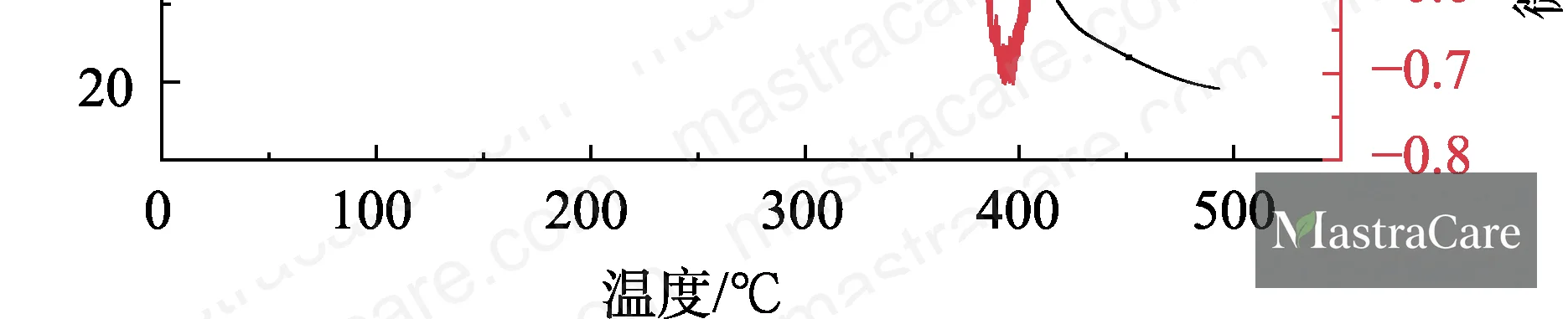
Figure 8: TGA thermal degradation curve of camel oil microcapsules — four-stage decomposition profile from 30°C to 500°C
Figure 9: TGA curve detail showing the stable plateau between 115°C and 220°C — key processing safety window

Oxidative Stability: The Number That Matters Most

Storage stability was evaluated using the Schaal oven method — samples held at 60 ± 1°C for 7 days, with peroxide value (PV) measured daily per GB 5009.227–2016 (titrimetric method).

By day 7:

  • Raw camel oil PV: 10.38 mmol/kg
  • Camel oil microcapsule PV: 3.86 mmol/kg

The encapsulated format shows roughly one-third the oxidation rate of the raw oil under identical accelerated conditions. The wall material creates a physical oxygen barrier and provides some thermal insulation effect, significantly decelerating the lipid oxidation chain reaction. This is the quantitative case for encapsulation — not just a formulation preference.

This type of accelerated oxidative stability testing is standard in active ingredient qualification and the data here maps directly to real shelf-life projection models.


Facial Cream Application: Formulation Stability and Sensory Performance #

The cream formulation built around these microcapsules is a conventional O/W structure, but the key development variables are Carbomer 934 loading and microcapsule inclusion level — both of which have non-linear effects on emulsion stability.

Carbomer 934 Optimization

Stability scoring across a 0.4% to 0.9% loading range peaks sharply at 0.5% (stability score: 38), then declines steadily to 30 at 0.9%. Over-thickening with carbomer is a common formulation error — higher polymer concentration doesn’t improve emulsion integrity at this system composition; it creates a gel network stiff enough to trap air and generate shear-induced instability during filling.

Microcapsule Loading

The stability-vs-loading curve shows a more complex shape. At 2.5%, the system is stable but under-loaded for efficacy. Stability score peaks at 3.25% (score: 38), dips slightly at 4.0–5.5%, then recovers at higher loadings — likely due to the microcapsule particles contributing structural viscosity at elevated concentration. The formulation team confirmed 3.25% as the optimal loading, balancing stability, sensory, and active delivery.
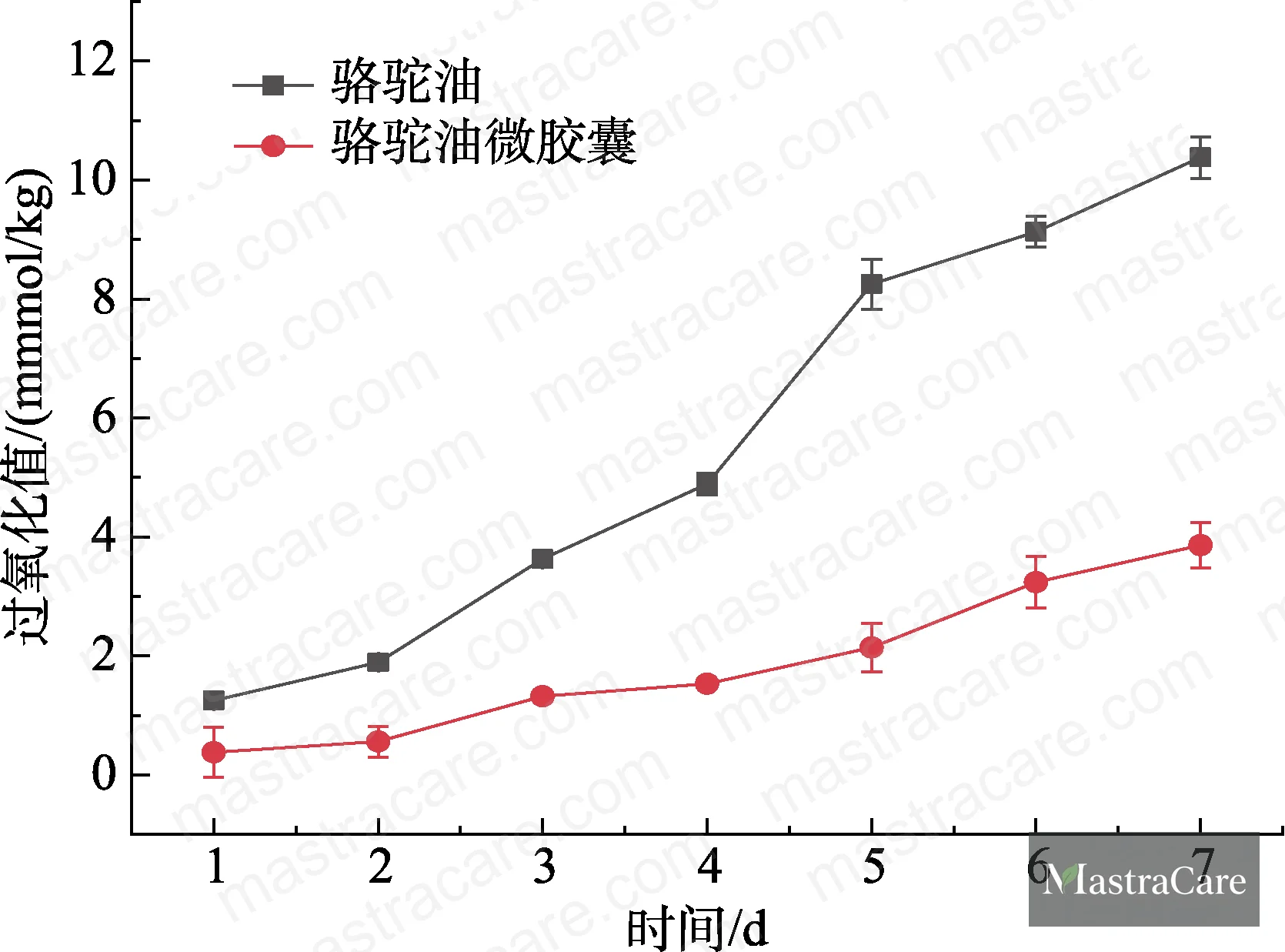
Figure 10: Storage stability comparison — peroxide value progression for raw camel oil vs. camel oil microcapsules over 7-day Schaal oven test

Final Cream Formula (reference composition)

Ingredient Function Level (%)
Cetearyl alcohol Emulsion stabilizer / thickener 2.0
Caprylic/capric triglyceride Emollient, carrier oil 3.0
Dimethicone Skin feel modifier 2.0
Carbomer 934 Rheology modifier 0.5
Camel oil microcapsules Active delivery system 3.25
Glycerin Humectant 5.0
Propylene glycol Humectant / co-solvent 4.0
Glyceryl stearate Co-emulsifier 1.0
Vitamin E Antioxidant 5.0
Allantoin Soothing agent 0.2
Phenoxyethanol Preservative 0.5
Triethanolamine pH adjuster 0.2

Quality Evaluation

The finished cream was evaluated against QB/T 1857–2013 (Emollient creams and lotions, China cosmetic industry standard). Key results:

  • pH: 7.6 (within the 4.5–8.5 specification range)
  • Sensory score: 21.6 / 30 — rated across scent, moisturization, and spreadability
  • Appearance: uniform off-white paste, no delamination or phase separation observed
  • Skin reaction: 10-subject consumer trial, zero adverse reactions reported

The system is also INCI-aligned for chitosan and sodium alginate, both of which have well-established safety profiles in topical applications.


Practical Guidance for Buyers #

Honestly, most buyers evaluating encapsulated oils spend too much time on the active’s functional claims and not enough on the wall system. The biopolymer combination here — sodium alginate and chitosan via polyelectrolyte complexation — gives you a clean-label, biodegradable shell with documented thermal stability to 220°C and real oxidative protection data. That combination is harder to find than it sounds.

In our supplier qualification work across encapsulated-oil ingredients at MastraCare — a Guangzhou-based OEM/ODM formulation partner supplying active ingredient systems for international brands — we’ve found that the critical spec to verify isn’t claimed encapsulation rate. It’s the PV trajectory under accelerated storage. Ask for a Schaal test comparison between encapsulated and raw material. If a supplier can’t produce that data, the product hasn’t been properly qualified.

For buyers targeting barrier-repair or skin hydration formulas, camel oil microcapsules at 3.25% loading in an O/W cream base represent a technically sound and shelf-stable delivery approach. If you’re building a private-label or bespoke formulation around this active, start with the carbomer and microcapsule loading as your primary stability variables — the interaction between these two components is more sensitive than the formulation data first suggests. Our team can support the full RFQ process from encapsulation technology selection through finished cream prototype.


Frequently Asked Questions #

Why does raw camel oil oxidize so quickly, and does encapsulation fully solve the problem?

The instability comes from the high unsaturated fatty acid content — around 40% — which makes camel oil significantly more susceptible to lipid peroxidation than more saturated oils. Encapsulation doesn’t eliminate oxidation; it dramatically slows it. The Schaal oven data shows a peroxide value of 3.86 mmol/kg vs. 10.38 mmol/kg for raw oil after 7 days at 60°C — roughly a 63% reduction in oxidation rate. In a properly sealed finished product at ambient storage, that translates to a meaningfully extended shelf life.

What wall materials are used, and are they cosmetic-grade safe?

The system uses sodium alginate and chitosan in a polyelectrolyte complex formed through their carboxyl and amino groups under controlled pH. Both are natural polysaccharides with well-established cosmetic and pharmaceutical safety profiles. They’re INCI-listed and compatible with standard cosmetic formulations. Neither presents regulatory complications for markets in North America, Europe, or Southeast Asia.

Can this encapsulation system survive hot-process manufacturing?

Yes. TGA confirms the microcapsule shell is thermally stable up to 220°C with no significant mass loss between 115°C and 220°C. Standard hot-process emulsification runs at 70–85°C, which sits well within that stability window. The 220°C ceiling provides substantial process safety margin for most cosmetic manufacturing scenarios.

What’s the right inclusion level for a moisturizing cream?

Based on formulation stability data, 3.25% microcapsule loading is the empirically confirmed optimum in an O/W system with 0.5% Carbomer 934. At 2.5% you’re under-utilizing the active. Above 4.0%, stability scores dip before recovering — a non-linear response that’s easy to misinterpret as acceptable. Stay at 3.25% unless you have specific stability data to support deviation.

How does the 300 nm particle size affect consumer sensory perception?

At approximately 300 nm, these capsules are in the submicron range. They disperse without graininess, integrate smoothly into cream texture, and don’t produce the “bead-on-skin” tactile artifact that larger microcapsules sometimes create. The cream formulation tested here scored 21.6 out of 30 on sensory evaluation with zero adverse reactions across a 10-person trial — which is a respectable baseline for an early-stage prototype.


Published by mastracare.com Technical Team | Request a sourcing quote


Content reviewed by james.luo | © mastracare.com — All rights reserved. Unauthorized reproduction prohibited.

更新 2026年6月19日

您的感觉是什么

  • Happy
  • 常规
  • Sad

分享这篇文章 :

  • Facebook
  • X
  • LinkedIn
  • Pinterest
Solid Lipid Nanoparticle Technology: SLN vs NLC Structure & Active Protection DataFormulation Brief & Sample Request Guide for Encapsulation Technology

发表回复取消回复

您的邮箱地址不会被公开。 必填项已用 * 标注

内容目录
  • TL;DR
  • Camel Oil Microcapsule Encapsulation Efficiency: Process Parameters and Optimization Data
    • Process Parameter Comparison
  • Physicochemical Performance of Camel Oil Microcapsules: Structural Integrity and Oxidative Stability
  • Facial Cream Application: Formulation Stability and Sensory Performance
  • Practical Guidance for Buyers
  • Frequently Asked Questions
Mastra Care · Since 2007 · Premium Beauty & Personal Care OEM Manufacturer, China.
Knowledge BaseProductsAboutContactPrivacy Policy
© 2007 – 2026 Mastra Beauty & Personal Care